Most of us assume the water coming into our homes is probably fine. If it looks clear, doesn’t smell strange, and tastes normal enough, we move on with our day without thinking twice about it. That’s understandable. Water is one of those background parts of life that only gets attention when something feels obviously wrong.
But here’s the thing — not every water issue announces itself loudly.
Sometimes the signs are subtle. A metallic taste in your coffee. Orange staining near sinks. Dry skin after showers. Maybe your laundry never feels quite clean no matter how much detergent you use. In homes with private wells especially, these little clues can quietly point to larger issues hiding beneath the surface.
That’s why regular water checks matter more than many homeowners think.
The Difference Between “Looks Fine” and Actually Safe
Water can appear perfectly clean while still carrying contaminants, bacteria, excess minerals, or imbalanced chemical levels. That’s part of what makes household water tricky. You can’t always judge it by sight alone.
Private wells are especially vulnerable because they aren’t monitored the same way municipal water systems are. Heavy rainfall, nearby construction, aging pipes, septic issues, or natural mineral deposits can all influence what enters the supply over time.
For families relying on wells, well water testing becomes less of an optional maintenance task and more of a smart routine — similar to servicing a heating system or checking a roof before monsoon season.
Not because something is guaranteed to be wrong, but because prevention is usually easier than dealing with bigger problems later.
Small Household Clues Often Mean Something
A lot of homeowners first start investigating their water because daily life simply feels harder than it should.
Soap refuses to lather properly. Glasses come out cloudy from the dishwasher. Plumbing fixtures develop buildup quickly. Sometimes there’s an odor that comes and goes without explanation.
I remember visiting a family member whose water always smelled faintly like rotten eggs during summer months. They assumed it was just “country water,” something they had to live with. Turns out sulfur bacteria were contributing to the smell, and the issue was fixable once they had the supply professionally checked.
That’s what surprises people most. Many water issues have practical solutions — but only if you know they exist in the first place.
Why Testing Isn’t Just About Drinking Water
People often think of testing as something related only to drinking safety, but household water affects far more than what comes out of the kitchen faucet.
Water runs through washing machines, showers, dishwashers, coffee makers, water heaters, and plumbing systems every single day. Mineral-heavy or contaminated water can slowly wear those systems down over time, increasing maintenance costs and reducing efficiency.
Even simple tasks like bathing or washing clothes can feel different depending on overall water quality.
Dry skin, faded fabrics, stiff towels, buildup around fixtures — these things may seem unrelated at first, but they’re often connected to what’s flowing through the pipes every day.
What a Proper Water Test Can Reveal
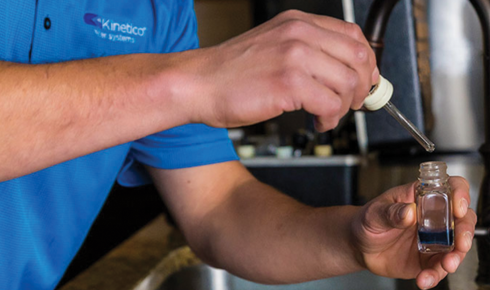
A professional test typically checks for several things depending on the area and water source. That might include bacteria, pH levels, hardness, iron content, sulfur, nitrates, sediment, or other contaminants.
Some homeowners only test after moving into a new property. Others do it annually as part of regular home maintenance, especially if they rely on a private well.
Honestly, annual checks make a lot of sense because water conditions can change gradually over time. A system that tested perfectly three years ago might show completely different results today after weather shifts, plumbing changes, or nearby environmental activity.
And unlike visible home damage, water issues tend to develop quietly.
Choosing the Right Treatment Matters Too
Testing is only the first step. Once homeowners understand what’s in their water, they can make better decisions about treatment systems that actually fit their needs.
Some homes benefit from filtration systems designed for sediment or bacteria. Others may need softening systems to reduce mineral content. In certain cases, UV purification or specialized filtration becomes important depending on the results.
That’s why generalized internet advice only goes so far. Effective water testing gives homeowners real information instead of forcing them to guess.
And honestly, guessing with water usually becomes expensive eventually.
Better Water Changes Everyday Comfort
One thing people rarely expect is how much better properly treated water can make a home feel overall.
Showers become more comfortable. Laundry softens up again. Appliances run more efficiently. Drinking water tastes cleaner. Even cleaning around the house often becomes easier when excess minerals or contaminants are reduced.
The improvements don’t usually feel dramatic overnight. It’s more like a collection of small frustrations quietly disappearing one at a time.
You stop noticing odors. The sink stays cleaner longer. Soap works the way it’s supposed to.
Little things, really. But those little things shape daily comfort more than we tend to realize.
Paying Attention Now Prevents Bigger Problems Later
Most homeowners don’t ignore roof leaks or electrical issues because they understand small problems can grow expensive quickly. Water deserves that same level of attention.
Testing doesn’t need to feel alarming or obsessive. It’s simply part of understanding the home you live in and protecting the people inside it.
Because when it comes down to it, clean and reliable water isn’t just another utility. It’s something your household depends on every single day — whether you notice it or not.