Water is one of those things most people rarely think about until something seems wrong. Maybe the water coming from the kitchen tap has an unusual taste, the shower leaves stubborn stains on the glass, or the water pressure changes without an obvious reason. For some households, the problem is more serious than an inconvenience. Water quality can affect everyday comfort, plumbing performance, appliances, and confidence in the water being used for cooking and drinking.
The good news is that many water-related problems can be understood and managed with the right information. Instead of guessing which filter to buy or installing equipment that may not address the real issue, homeowners and business owners can start with a simple step: understanding what’s actually in their water.
Understanding What Your Water Needs
Not all water problems are the same. Hard water contains higher levels of dissolved calcium and magnesium, which can leave mineral deposits on taps, showerheads, and glass surfaces. Iron may create reddish-brown stains, while sediment can make water appear cloudy. Other concerns, including certain microorganisms or dissolved contaminants, may not be visible at all.
This is why testing matters. The appearance, smell, and taste of water can provide useful clues, but they cannot confirm whether water is safe. A professional water analysis can identify specific concerns and help determine which treatment methods are appropriate. Depending on the water source, testing may include hardness, pH, iron, nitrate, bacteria, and other locally relevant parameters.
Once the results are available, choosing equipment becomes much easier. Rather than relying on a one-size-fits-all product, you can focus on the problems that genuinely need attention.
Why Private Wells Require Special Attention
Homes that rely on private wells have a different responsibility from properties connected to a regulated municipal supply. Well water quality can vary according to local geology, nearby agricultural activity, drainage conditions, seasonal changes, and the condition of the well itself. Even a well that has supplied clear water for years can develop a problem.
A tailored well water treatment system can help address identified issues, but the equipment must match the test results. For example, sediment filtration may be useful when sand or suspended particles enter the water. Iron and manganese treatment may be needed when staining occurs, while ultraviolet disinfection can help control certain microorganisms when the water is appropriately pretreated and the system is correctly installed.
There isn’t one filter that removes everything. Some contaminants require specialized treatment, and others need a different approach altogether. If testing identifies bacteria or another health-related concern, follow the recommendations of a qualified water professional and the relevant public health authority. Boiling water may address certain biological risks, but it will not remove chemical contaminants and can concentrate some dissolved substances.
Routine testing is equally important. Private well owners should follow local guidance on testing frequency and arrange additional testing after flooding, repairs, changes in taste or appearance, or other events that could affect the supply.
Choosing Filtration Without Overspending
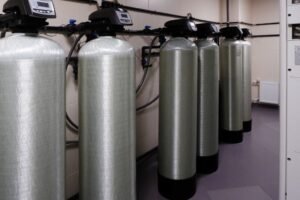
Water treatment equipment can range from a simple sediment filter to a multi-stage system serving the entire property. The right choice depends on the water source, the contaminants present, household demand, and the intended use.
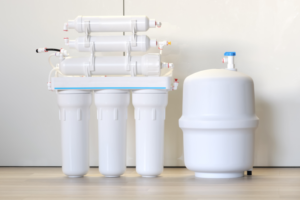
A whole-house filter treats water as it enters the property, which can be useful when a problem affects showers, laundry, fixtures, and other outlets. A point-of-use filter, installed at a kitchen tap or under the sink, focuses on water used for drinking and food preparation. Reverse osmosis may reduce many dissolved substances, although its performance depends on the specific unit and contaminants involved.
Water softeners serve a different purpose. They primarily reduce hardness minerals, helping limit scale buildup in plumbing and appliances. They aren’t a universal solution for bacteria, pesticides, or every other contaminant. Understanding that distinction can prevent unnecessary spending and disappointing results.
It’s also worth considering long-term maintenance before purchasing a system. Filters need replacement, treatment media may require servicing, and some equipment uses electricity or water during operation. Ask about replacement schedules, ongoing costs, water waste, and how performance is verified. A lower purchase price doesn’t always mean a lower cost over the life of the system.
Technology Is Making Water Management Smarter
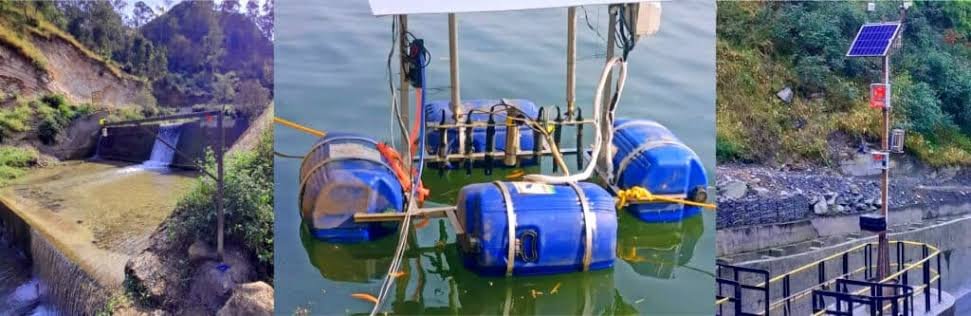
Traditional water treatment focuses on improving water quality, but technology is increasingly helping people understand how their systems behave throughout the day. Sensors, connected meters, leak detectors, and monitoring dashboards can provide useful information that might otherwise go unnoticed.
For households with complex plumbing or businesses that depend on reliable water delivery, smart water monitoring can offer an extra layer of visibility. Depending on the equipment, monitoring tools may track water flow, detect unusual usage patterns, send leak alerts, or report selected water-quality measurements. Some systems can notify owners when a filter is approaching its recommended service interval.
These tools are particularly helpful when a property is unoccupied for long periods or has several water-consuming appliances. An unexpected flow alert, for instance, could prompt an owner to investigate a running toilet or a hidden pipe leak before the problem causes major damage.
Still, smart technology has limits. A connected sensor cannot automatically detect every contaminant, and a dashboard showing normal readings does not replace laboratory testing when health risks are involved. Monitoring works best as part of a broader maintenance plan, not as a substitute for professional assessment.
Water Quality Matters in Commercial Properties Too
Businesses often have water requirements that differ significantly from those of a typical home. Restaurants need dependable water for food preparation, cleaning, and beverage equipment. Hotels must consider guest comfort and the performance of boilers, laundry equipment, and plumbing fixtures. Manufacturing facilities may require specific water characteristics for production, cooling, or cleaning processes.
Well-designed commercial water systems account for these different demands. Depending on the application, a system might include sediment filtration, softening, activated carbon, reverse osmosis, disinfection, or specialized process-water treatment. Capacity matters just as much as filtration performance. Equipment that works well for a small office may struggle when demand increases during busy periods.
Businesses should also consider compliance requirements, operating costs, and maintenance responsibilities. In some industries, water quality affects product safety or equipment warranties, making consistent monitoring and documented service especially important.
A useful starting point is to identify where water is used, how much is needed during peak demand, and which quality standards apply. A qualified treatment provider can then recommend equipment based on actual operating conditions rather than assumptions.
Maintenance Is What Keeps a System Working
Installing a treatment system is only the beginning. Over time, filters collect particles, treatment media lose effectiveness, and components can wear out. Ignoring maintenance may reduce performance even when the equipment appears to be operating normally.
Keep a record of installation dates, filter changes, water test results, and professional service visits. Follow the manufacturer’s instructions rather than waiting until water tastes different or stains return. If a system includes a storage tank, disinfection unit, or monitoring sensor, make sure each component is maintained according to its requirements.
It’s also sensible to retest water when circumstances change. A new well, plumbing renovation, change in water source, or unexpected shift in water quality may call for a fresh assessment.
A Practical Approach to Better Water
Clean, reliable water rarely comes from choosing the most expensive equipment or installing every available filter. It comes from understanding the water supply, identifying genuine concerns, selecting suitable treatment, and maintaining the system over time.
Start with a water test, ask clear questions, and compare solutions based on performance as well as cost. Whether you’re managing a private well, improving water quality at home, or maintaining a busy commercial property, a thoughtful approach can reduce avoidable problems and make daily water use more dependable.
Water may be part of nearly everything we do, but taking care of it doesn’t have to be complicated. A little knowledge, combined with the right professional advice, can make a meaningful difference for years to come.