Water is one of those things we rarely think about until something goes wrong. Maybe your morning tea tastes a little strange, white marks keep appearing on the bathroom taps, or your freshly washed clothes feel rough instead of soft. These everyday annoyances might seem unrelated, but they can all point to the quality of the water flowing through your home.
The good news is that improving household water quality doesn’t always require a complicated setup. Sometimes, the answer is a simple filter. In other cases, you may need a more advanced treatment system. Understanding the difference between these options is the first step toward making a sensible choice, without spending money on equipment you don’t actually need.
Why Household Water Quality Deserves More Attention
Water can look perfectly clear and still contain dissolved minerals, unwanted chemicals, or microorganisms. Appearance alone isn’t a reliable way to judge whether it’s suitable for drinking, cooking, bathing, or other household uses.
In many homes, the first signs of a problem are surprisingly ordinary. A kettle develops a stubborn layer of scale. Soap refuses to lather properly. Drinking water has an unpleasant smell, or the family starts relying on bottled water because the tap water doesn’t taste right.
These issues don’t necessarily mean the water is unsafe. Hard water, for example, is generally a mineral-related problem rather than a direct health concern. However, certain contaminants can pose genuine risks, which is why testing your water is often more useful than guessing.
Your water source matters, too. Municipal supplies, borewells, and private wells can have very different characteristics. Even two neighbouring homes may experience different water quality because of plumbing conditions, local geology, or storage practices.
What Water Softeners Actually Do
Hard water contains elevated levels of dissolved calcium and magnesium. Over time, these minerals can leave deposits on taps, showerheads, heating elements, and inside appliances. If you’ve ever spent a frustrating afternoon scrubbing white scale off a bathroom fitting, you’ll understand why homeowners look for a better solution.
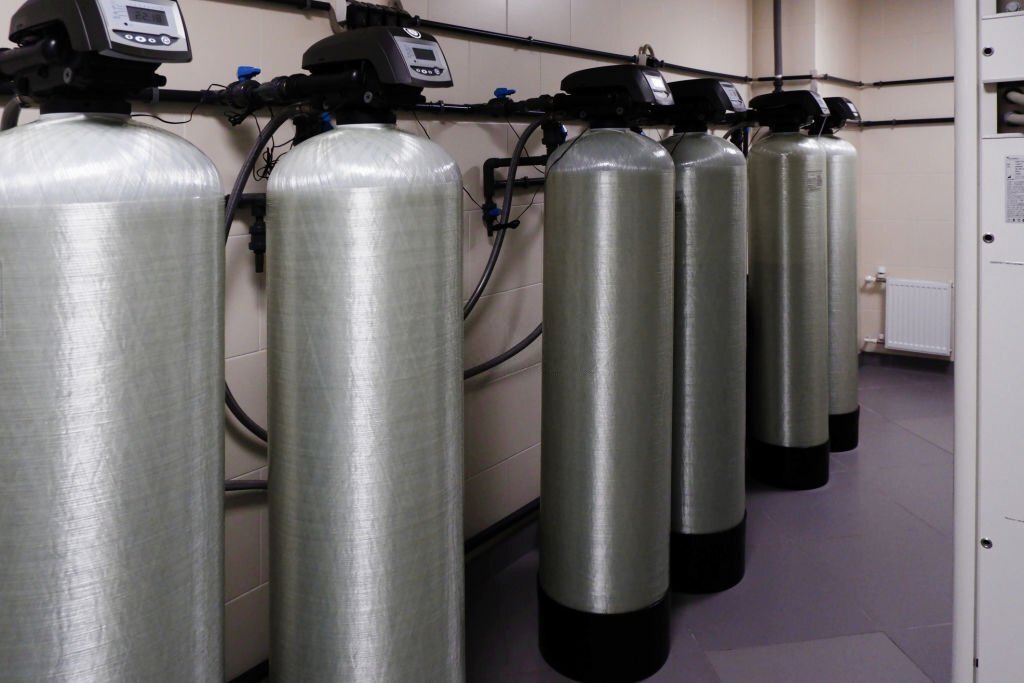
Water softeners are designed specifically to address this problem. Traditional ion-exchange systems replace calcium and magnesium ions with sodium or potassium ions, reducing the hardness of the water.
The benefits can be noticeable. Soap and shampoo may lather more easily, mineral deposits can become less troublesome, and appliances that heat water may require less frequent descaling. Some households also find that laundry feels more comfortable after switching to softened water.
However, softening isn’t the same as removing every unwanted substance. A conventional softener doesn’t reliably eliminate bacteria, viruses, pesticides, or many dissolved chemical contaminants. It also doesn’t automatically make water suitable for drinking.
There’s another consideration: sodium-based softeners add some sodium to the treated water. People who need to restrict sodium intake should discuss their drinking-water arrangements with a healthcare professional and consider whether a separate drinking-water supply is appropriate.
Before buying a system, find out how hard your water actually is. A simple hardness test can help you determine whether a softener is necessary or whether regular maintenance and a different treatment method would be enough.
Filtration: A Practical Way to Improve Water Quality
Not every water problem calls for a large treatment unit. Sometimes, the most useful improvement begins with an appropriately selected filter.
Filtration involves passing water through a material that captures or reduces particular unwanted substances. The exact results depend on the filter design, the contaminants present, and how well the system is maintained.
Activated carbon filters, for instance, can improve taste and reduce chlorine-related odours. Certain certified filters can also reduce specific organic chemicals or other contaminants. Sediment filters are useful for trapping particles such as sand, rust, and suspended matter, helping protect downstream equipment.
Yet a filter isn’t a universal solution. A basic sediment cartridge won’t remove dissolved salts, while an ordinary carbon filter shouldn’t be assumed to eliminate harmful microorganisms. Different technologies work in different ways.
When shopping for a filter, look beyond attractive packaging and broad claims about purity. Check which contaminants the product has been independently tested and certified to reduce. In the United States, standards developed by NSF and ANSI can help consumers identify products evaluated for specific performance claims. Whatever country you live in, the important thing is to match verified capabilities to your actual water conditions.
And don’t forget replacement cartridges. A filter that worked well when new may become less effective when its service life ends. Following the manufacturer’s replacement schedule is part of keeping the system useful.
When Water Purification Becomes Necessary
Filtration and softening can solve many everyday problems, but some water sources require more extensive treatment.
Water purification is a broader term for processes intended to reduce harmful contaminants and make water suitable for its intended use. Depending on the system, these processes may address microorganisms, dissolved substances, or chemical pollutants.
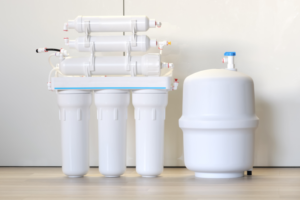
Reverse osmosis is a common option for drinking water when testing identifies a need to reduce certain dissolved contaminants. It uses a semipermeable membrane to separate many dissolved substances from water. Performance varies by contaminant and system design, so certification and appropriate testing remain important.
Ultraviolet treatment offers another approach. UV systems can inactivate many bacteria, viruses, and other microorganisms when the equipment is properly designed and operated. However, UV doesn’t remove dissolved salts, heavy metals, or chemical contaminants. Water generally needs suitable pretreatment because excessive cloudiness can interfere with disinfection.
In some situations, a combination of technologies works better than a single device. A household might use sediment filtration to protect equipment, a carbon filter to improve taste, and reverse osmosis for a particular drinking-water concern.
The key is not to buy the most advanced system available. It’s to identify the problem first and choose technology that addresses it.
How to Choose the Right System for Your Home
Start with the basics. Identify your water source, review any available municipal water-quality report, and arrange testing when appropriate. Private wells and borewells deserve particular attention because their quality can change with rainfall, groundwater conditions, and nearby land use.
Choose tests based on the likely risks. Depending on your location and source, these might include hardness, total dissolved solids, microbial contamination, nitrate, fluoride, arsenic, iron, or other locally relevant substances. A qualified laboratory can help determine what should be tested.
Next, think about how you use water. If your main concern is scale on bathroom fittings, a softener may be worth considering. If chlorine taste is the issue, a suitable carbon filter could be enough. If testing reveals a specific drinking-water contaminant, a certified treatment system designed to reduce that substance is the more responsible choice.
Installation and maintenance matter just as much as the equipment itself. Consider available space, water pressure, electricity requirements, wastewater production, replacement-part costs, and access to reliable servicing. Reverse-osmosis systems, for example, can produce wastewater, while some softeners require periodic salt replenishment and regeneration.
Finally, avoid assuming that water with fewer dissolved minerals is always better. Treatment should address a demonstrated need, not simply chase the lowest possible reading on a digital meter.
Small Habits That Make a Difference
Even a good treatment system benefits from sensible household habits. Clean storage tanks regularly, keep water containers covered, and maintain plumbing in good condition. Replace filters on schedule and arrange follow-up testing when there is a reason to suspect that water quality has changed.
If your supply suddenly develops an unusual colour, smell, or taste, don’t rely on a home filter to solve the problem without investigating its cause. Contact your water supplier or a qualified testing service, particularly if contamination is suspected.
These steps may not feel especially exciting, but they help protect the investment you’ve made in your home’s water system.
Making a Better Choice for Your Family
Good household water management isn’t about purchasing every available treatment device. It’s about understanding what comes out of your tap and responding with the right solution.
Softening helps control mineral hardness. Filtration targets particular particles and contaminants, while purification technologies can provide additional treatment when the water source or test results call for it. Each has a purpose, and none should be expected to solve every possible water-quality issue.
Take time to test your water, compare verified product claims, and account for long-term maintenance costs before making a decision. A little research now can prevent unnecessary spending later.
Ultimately, better water begins with better information. When you understand your household’s needs, you can choose a treatment system that supports everyday comfort, protects your appliances, and helps provide water that’s appropriate for its intended use.