Most people don’t think much about water until it becomes inconvenient.
Not dangerous, necessarily. Just annoying in small, persistent ways that slowly wear on you. Maybe the shower leaves your skin feeling dry no matter what soap you use. Maybe dishes come out cloudy even after a full dishwasher cycle. Or maybe your coffee tastes slightly off, though you can’t quite explain why.
Water has a funny habit of influencing daily life quietly.
Because it’s always there — running through pipes, filling kettles, washing clothes, rinsing dishes — homeowners often stop noticing gradual changes until the signs become impossible to ignore.
And by then, the issue has usually been building for a while.
Small Clues Usually Mean Something
A lot of household water issues don’t arrive dramatically. They sneak in little by little.
White buildup around faucets. Reduced water pressure. Towels that feel rough after laundry day. Strange spots appearing on glasses. Dry hair. Itchy skin. Appliances not working as efficiently as they used to.
Individually, those things seem minor. Together though, they often point toward larger water problems happening behind the scenes.
What’s interesting is how quickly people adapt. Humans are good at normalizing discomfort when it arrives gradually enough. You stop questioning why the sink stains so easily or why soap takes forever to rinse away.
Visitors usually notice it first.
I remember staying with relatives years ago where the tap water left this chalky film on every glass in the kitchen. Nobody in the house seemed bothered anymore because they’d lived with it for so long. Meanwhile, I kept rewashing my coffee mug thinking it was dirty.
Turns out the issue was mineral-heavy water all along.
Hard Water Is More Common Than People Realize
One of the biggest culprits behind household water frustrations is hard water. If you’ve never dealt with it personally, the term might sound harmless enough. Technically, it just means the water contains elevated levels of dissolved minerals like calcium and magnesium.
But those minerals can create all sorts of annoying side effects throughout a home.
Soap doesn’t lather properly. Mineral deposits build up around fixtures. Water heaters become less efficient over time. Pipes slowly collect scale buildup that can eventually affect flow and appliance lifespan.
And then there’s the skin and hair issue, which many homeowners don’t immediately connect to water quality at all.
People spend hundreds on fancy shampoos or moisturizers without realizing their water may be contributing to the dryness in the first place.
The thing is, hard water isn’t usually dangerous to drink. It’s more of a long-term nuisance that quietly impacts comfort, cleaning, and maintenance costs over time.
Still, “nuisance” can become expensive eventually.
Why Water Quality Matters Beyond Drinking
When people hear discussions about water, they often focus only on whether it’s safe to consume. But honestly, good water quality affects far more than the glass sitting on your kitchen counter.
It touches nearly every part of home life.
Cooking.
Laundry.
Bathing.
Cleaning.
Appliance efficiency.
Even how your home smells sometimes.
Water that carries excess minerals, chlorine, sediment, or metallic compounds changes the feel of everyday routines in subtle ways. Some people notice strange tastes in tea or coffee. Others struggle with recurring stains around drains and sinks.
And because plumbing systems are mostly hidden behind walls, homeowners often don’t realize how interconnected everything really is until problems start surfacing repeatedly.
What makes it trickier is that not all water issues look alarming. Clear water can still contain minerals or contaminants affecting taste, odor, or long-term plumbing health.
That’s partly why more homeowners are turning to professional testing instead of guessing.
The Emotional Side of Water Issues
People rarely talk about how frustrating water issues can become emotionally.
It sounds dramatic saying it out loud, maybe, but there’s something unsettling about not fully trusting the water running through your own home. Even minor issues create low-level frustration that lingers in the background.
You second-guess things.
Why does the laundry smell different lately?
Why does the sink always look dirty?
Why does the shower glass fog up with residue so fast?
These aren’t emergencies. But they chip away at comfort over time.
Home is supposed to feel reliable. Water problems quietly disrupt that feeling more than most people expect.
Modern Solutions Aren’t Always Complicated
The good news is that many household water concerns are surprisingly manageable once the actual issue gets identified properly.
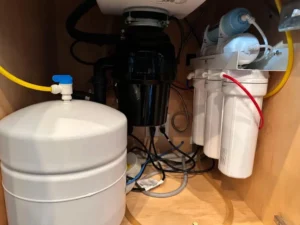
Sometimes homeowners assume they need expensive whole-home systems when the solution might be far simpler — replacing aging plumbing components, installing targeted filtration, adjusting softener settings, or addressing sediment buildup.
Other times, larger treatment systems truly are the right move, especially in areas with severe mineral content or older infrastructure.
The important thing is understanding the source of the issue first.
Guessing tends to waste money fast.
One neighbor swears by reverse osmosis. Another recommends bottled water forever. Meanwhile, the actual problem may simply involve outdated pipes or untreated mineral buildup affecting the home’s plumbing.
Better Water Changes Daily Life in Small but Noticeable Ways
When water improves, people often notice changes immediately — even if they didn’t fully realize how much the old issues were bothering them.
Showers feel softer.
Dishes come out cleaner.
Laundry smells fresher.
Coffee tastes better.
Small things, honestly. But they add up.
And maybe that’s why water matters more than people tend to admit. It’s woven into nearly every ordinary moment of life at home. You don’t think about it when everything works properly.
But when something feels off, the entire house notices eventually.
Paying attention to those early signs — the buildup, the dryness, the strange tastes or lingering stains — can prevent bigger frustrations later on. Sometimes your home is trying to tell you something long before a pipe bursts or an appliance fails.
Usually, the water speaks quietly first.