There’s something comforting about turning on the tap and knowing water will always be there. We use it for cooking, cleaning, showering, washing clothes, and filling the kettle without giving it much thought. But not all water behaves the same way. In many homes, the water flowing through the pipes carries a high concentration of dissolved minerals. It looks clear, tastes perfectly fine in most cases, yet over time it leaves behind evidence that can be surprisingly expensive to ignore.
Hard water isn’t usually a health concern, but it can slowly affect nearly every part of a home. The tricky part is that these changes happen gradually. You don’t wake up one morning with a broken water heater or clogged pipes. Instead, the damage builds little by little until one day you’re replacing appliances sooner than expected or wondering why your energy bills keep creeping upward.
Understanding What Makes Water “Hard”
Hard water contains naturally occurring minerals, mainly calcium and magnesium. As groundwater travels through layers of limestone, chalk, or other mineral deposits, it absorbs these elements before reaching homes. That’s why some regions experience harder water than others.
This hard water build-up isn’t harmful to drink. In fact, those minerals can even contribute to your daily mineral intake. The challenge begins when the water is heated or repeatedly evaporates. That’s when the minerals stay behind instead of flowing away.
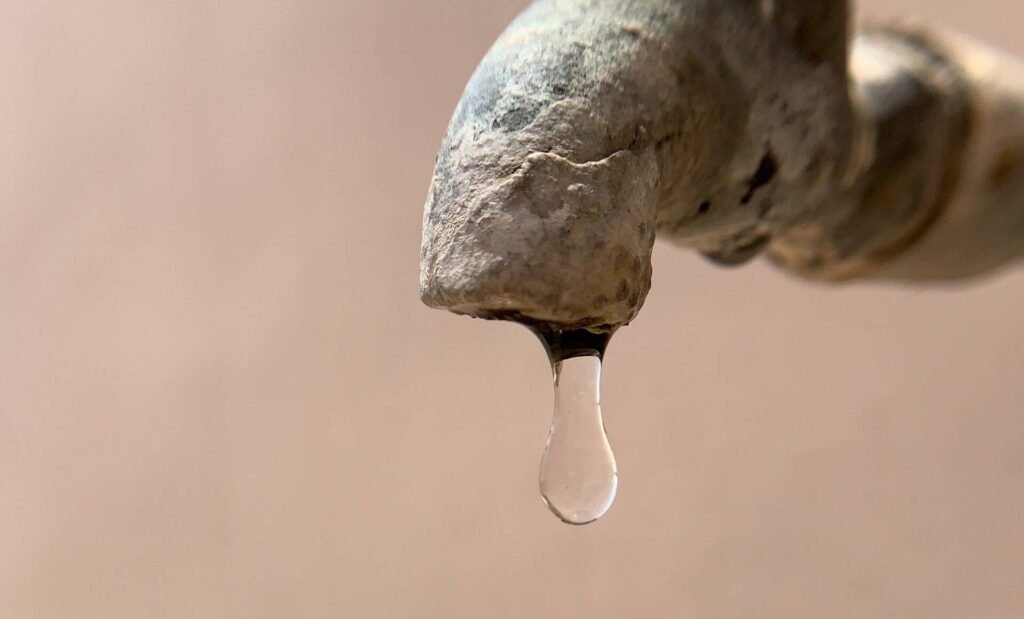
If you’ve ever noticed a white crust around your faucet or cloudy spots on freshly washed glasses, you’ve already seen the first signs.
The Hidden Cost of Everyday Mineral Deposits
One of the biggest misconceptions is that hard water only affects how sinks and showerheads look. Cosmetic stains are actually the least concerning issue.
Minerals gradually collect inside pipes, water heaters, dishwashers, washing machines, coffee makers, and even ice makers. Because this process happens slowly, homeowners rarely notice it until performance starts declining.
Water heaters, for example, must work harder when mineral deposits coat their heating elements. That means they consume more electricity or gas just to produce the same amount of hot water. Over several years, this can translate into noticeably higher utility bills.
Small changes often go unnoticed. A shower that feels slightly weaker or a washing machine that takes longer to complete cycles may seem unrelated, but they often share the same underlying cause.
Why Hard Water Build-Up Shouldn’t Be Ignored
Perhaps the most frustrating aspect of mineral-rich water is that it affects both old and brand-new plumbing systems. New appliances don’t get a free pass simply because they’re modern.
Inside pipes, minerals slowly narrow the available space for water to flow. Think of it almost like cholesterol narrowing arteries. The restriction develops gradually, making water pressure weaker over time.
Kitchen faucets may spray unevenly. Showerheads become clogged. Dishwasher spray arms stop rotating as efficiently. Even washing machines can struggle to rinse clothes thoroughly because water flow isn’t what it used to be.
Many homeowners spend money replacing fixtures without realizing the real issue is hiding deeper inside the plumbing.
Everyday Signs You Might Already Have Hard Water
Sometimes your house sends subtle warnings long before major repairs become necessary.
You might notice soap refusing to lather properly, no matter how much you use. Glassware may appear cloudy even after coming out of the dishwasher. Towels often feel stiff instead of soft, and freshly washed clothes can lose their brightness surprisingly fast.
Hair may feel rough after showering, while skin sometimes seems dry despite using moisturizer regularly. None of these problems alone proves you have hard water, but together they create a fairly convincing picture.
The earlier these signs are recognized, the easier it becomes to prevent larger maintenance expenses.
The Science Behind Scale Formation
Whenever hard water is heated, dissolved minerals separate from the water and attach themselves to nearby surfaces. This process is known as scale formation, and it’s responsible for many of the performance issues homeowners experience.
Water heaters are particularly vulnerable because they constantly heat mineral-containing water. A layer of scale acts almost like insulation, preventing heat from transferring efficiently. The appliance works longer, consumes more energy, and experiences greater wear.
Coffee makers, kettles, humidifiers, and tankless water heaters experience similar problems. Even if they continue functioning, efficiency gradually declines until repairs or replacement become unavoidable.
It’s one of those problems that’s easy to overlook because everything still seems to “work”—just not as well as before.
Simple Ways to Reduce Hard Water Problems
You don’t necessarily have to replace every appliance to deal with hard water. Small maintenance habits can make a meaningful difference.
Flushing your water heater annually helps remove accumulated sediment before it becomes excessive. Cleaning faucet aerators every few months restores water flow and prevents stubborn mineral deposits from hardening permanently.
Running vinegar through coffee makers and kettles also dissolves early mineral accumulation naturally. Showerheads can often be restored by soaking them overnight in white vinegar.
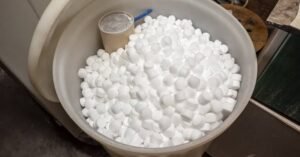
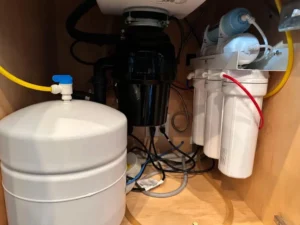
If your home’s water hardness is especially high, installing a water softener may provide the most comprehensive long-term solution. Softeners replace hardness minerals with sodium or potassium ions, dramatically reducing mineral deposits throughout the plumbing system.
Whole-house filtration systems may also be worth considering depending on your local water quality and specific concerns.
Long-Term Benefits of Managing Hard Water
Addressing hard water isn’t simply about making sinks sparkle. The real value comes from protecting expensive household investments.
Appliances generally last longer when they’re not constantly fighting mineral deposits. Plumbing systems maintain better water pressure, while water heaters use less energy to deliver the same performance.
Laundry feels softer. Dishes come out cleaner. Shower doors require less scrubbing, and cleaning products often work more effectively because soap can actually do its job.
Perhaps the biggest benefit is peace of mind. Instead of reacting to costly repairs, you’re preventing many of them before they begin.
A Small Problem That Deserves More Attention
Hard water has a funny way of staying invisible until it becomes expensive. Because the effects appear gradually, it’s easy to accept cloudy dishes, weaker water pressure, or rising energy costs as normal parts of homeownership.
In reality, these small inconveniences often point to something that has been developing quietly for years.
Understanding how hard water affects your home gives you the opportunity to act before minor maintenance turns into major replacement costs. Whether that means regular cleaning, annual appliance maintenance, or investing in a water treatment system, even modest steps can extend the life of your plumbing and appliances.
Water should make life easier, not create hidden expenses. Paying attention to what flows through your pipes today can save a surprising amount of money—and frustration—in the years ahead.