Why Hard Water Is More Than Just a Minor Household Annoyance
June 30, 20266 min read
The Water Problem Many Homeowners Overlook
Most people don’t spend much time thinking about their water. If it comes out of the faucet clear and doesn’t have a strange smell, it usually gets a free pass. Life moves on. Coffee gets brewed, dishes get washed, and showers happen without much thought.
But sometimes there are little clues that something isn’t quite right. Maybe your glasses come out of the dishwasher looking cloudy. Perhaps your showerhead seems to clog more often than it should. Or your favorite black shirt never looks quite as fresh after laundry day.
These small frustrations often have a common cause that quietly affects homes across the country: hard water.
It’s not the kind of issue that makes dramatic headlines, yet it can have a surprisingly big impact on daily life, household maintenance, and even long-term plumbing performance.
What Exactly Makes Water “Hard”?
Water becomes hard when it contains elevated levels of dissolved minerals, primarily calcium and magnesium. As groundwater travels through soil and rock formations, it naturally picks up these minerals before eventually reaching homes.
In many ways, hard water is simply a result of nature doing what nature does. The minerals themselves aren’t necessarily harmful, and many people drink hard water every day without any concerns.
The challenge comes from how those minerals behave once the water enters a plumbing system.
Unlike some water quality issues that are immediately obvious, hard water tends to leave its mark gradually. The effects build over time, which is why homeowners often don’t recognize the problem right away.
The Little Signs Start Adding Up
One of the interesting things about hard water is how subtle it can be at first.
A faucet loses a bit of shine. Towels feel slightly rough after washing. The dishwasher seems less effective than it used to be. None of these changes feel urgent on their own.
Then one day you realize you’ve been scrubbing shower doors far more often than necessary, replacing appliances earlier than expected, or wondering why your soap never seems to lather properly.
That’s when the puzzle pieces start fitting together.
Hard water rarely announces itself loudly. It tends to creep into daily routines, creating small inconveniences that gradually become impossible to ignore.
Why Cleaning Becomes More Difficult
One of the most frustrating aspects of hard water is the way it interacts with cleaning products.
Minerals can reduce the effectiveness of soaps and detergents, making it harder to achieve the results people expect. Instead of rinsing away cleanly, soap may react with minerals in the water and leave behind a residue.
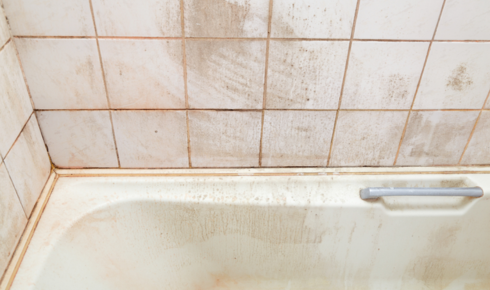
That residue often appears as soap scum, the stubborn film that accumulates on shower walls, bathtubs, sinks, and fixtures.
Anyone who has spent an afternoon scrubbing a bathroom only to see the same cloudy residue return a few days later knows how discouraging this can be.
It’s not necessarily a reflection of poor cleaning habits. Sometimes the water itself is working against you.
Appliances Feel the Effects Too
Hard water doesn’t just affect visible surfaces. It can also influence the performance and lifespan of household appliances.
Water heaters, dishwashers, washing machines, coffee makers, and other water-using devices all interact with mineral-rich water on a regular basis.
Over time, minerals begin settling inside these systems. As deposits accumulate, efficiency may decline and maintenance requirements can increase.
In some cases, homeowners notice higher energy costs without realizing that mineral accumulation inside a water heater may be forcing the unit to work harder than necessary.
Small mineral deposits don’t seem significant at first, but years of buildup can tell a different story.
The Problem Hidden Inside Pipes
Perhaps the most overlooked consequence of hard water occurs where most people never look: inside the plumbing system itself.
Minerals gradually collect along the inner surfaces of pipes. Layer after layer forms over time, narrowing water pathways and reducing efficiency.
This process is commonly known as scale buildup, and it’s one of the primary reasons many homeowners eventually seek water treatment solutions.
When buildup becomes severe, water flow can decrease, plumbing repairs may become more frequent, and equipment performance can suffer.
The challenge is that these problems often develop slowly enough that homeowners adapt to them without realizing how much efficiency has been lost.
Hard Water and Personal Comfort
Beyond cleaning and plumbing concerns, hard water can affect how people feel after using it.
Some individuals report that their skin feels dry after bathing. Others notice that shampoo doesn’t rinse as easily or that hair feels less manageable than usual.
These experiences vary from person to person, of course. What feels perfectly normal to one household may feel frustrating to another.
Still, many homeowners notice a difference after addressing hard water issues. Softer-feeling skin, easier cleaning, and more manageable laundry are among the commonly reported benefits.
It’s one of those improvements people often don’t fully appreciate until they experience it.
Are Water Softeners Worth Considering?
When hard water becomes a persistent concern, many homeowners begin exploring treatment options.
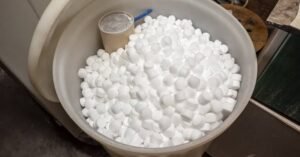
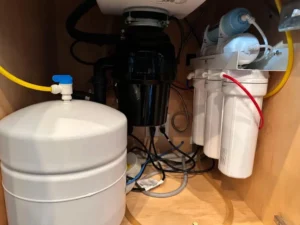
Water softeners are among the most common solutions because they target the minerals responsible for hardness. By reducing calcium and magnesium levels, these systems help minimize many of the problems associated with hard water.
Of course, every household is different. The ideal approach depends on local water conditions, household needs, and personal preferences.
Testing the water first is usually the smartest starting point. Understanding the actual hardness level provides a clearer picture of what solutions may be appropriate.
Prevention Is Usually Easier Than Repair
One lesson many homeowners learn the hard way is that preventive maintenance often costs less than waiting for larger problems to appear.
Addressing hard water early can help protect appliances, reduce cleaning frustrations, and support the long-term health of a home’s plumbing system.
It’s a bit like changing the oil in a car. The maintenance itself may seem minor, but skipping it can eventually lead to much bigger expenses.
The same principle applies to water quality.
Final Thoughts
Hard water may not seem like a major issue at first glance. After all, it’s common, naturally occurring, and often considered more of an inconvenience than a serious problem.
Yet the effects can quietly influence everything from household cleaning and appliance performance to plumbing efficiency and personal comfort.
By paying attention to the warning signs and understanding what’s happening behind the scenes, homeowners can make informed decisions about managing water hardness before it creates larger challenges.
At the end of the day, water should make daily life easier—not add extra chores to the list. Sometimes, a closer look at what’s flowing from the tap is all it takes to improve the way a home functions for years to come.