Water is part of almost every moment of daily life. We drink it, cook with it, clean with it, and depend on it for countless household activities. Because it is always available, many people rarely stop to think about what is actually flowing through their taps.
However, water quality can have a noticeable impact on comfort, health, and even the lifespan of household appliances. Problems such as mineral buildup, unpleasant tastes, odors, or cloudy appearance can make people question whether their water is as good as it should be.
Fortunately, modern treatment options make it easier for families to improve their water. With the right system and a better understanding of water conditions, homeowners can create a cleaner and more reliable water experience throughout their property.
Why Home Water Quality Deserves Attention
Not all water problems are easy to recognize. Some issues are obvious, such as stains around sinks or a strong smell, while others may require professional testing to identify.
Water quality can be affected by several factors, including the original water source, local conditions, aging pipes, and mineral levels. Even water that looks clear may contain substances that affect taste, performance, or overall usability.
This is why understanding the condition of your water is an important first step. Instead of choosing a solution based only on assumptions, testing provides a clearer picture of what needs to be improved.
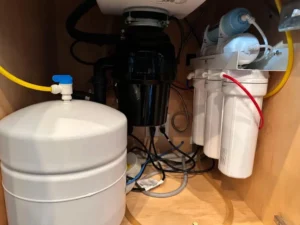
For many families, residential water treatment offers a practical way to address these concerns. These systems are designed specifically for homes and can help improve water quality based on individual household needs.
Common Water Issues Found in Homes
Every home experiences different water challenges. Some properties deal with hard water, while others may struggle with sediment, chlorine taste, or unwanted particles.
Hard water is one of the most common concerns. It contains higher levels of minerals such as calcium and magnesium, which can create scale buildup on faucets, shower surfaces, and appliances.
Over time, mineral deposits may affect water heaters, dishwashers, and plumbing systems. Many homeowners also notice that soap does not rinse as easily or that laundry feels different.
Other households may focus more on improving drinking water quality. Concerns about taste, odor, and purity often lead families to explore filtration and purification options.
The key is identifying the actual problem before selecting a system.
How Water Softener Systems Improve Everyday Comfort
Hard water can create small frustrations that add up over time. Cleaning becomes more difficult, fixtures require more attention, and appliances may need extra care.
Water softener systems are designed to reduce hardness by managing the minerals responsible for these issues. By improving water quality, they can help protect plumbing equipment and make everyday tasks more convenient.
Many homeowners notice benefits after installing a properly sized softening system. Dishes may have fewer spots, showers may feel more comfortable, and household surfaces may stay cleaner.
However, every home is different. The right system depends on water conditions, family size, and daily water usage. Choosing the correct solution ensures better performance and long-term value.
The Benefits of Whole-Home Water Filtration
While softeners mainly focus on mineral-related problems, filtration systems address a broader range of water concerns.
A home’s water supply is used in many ways beyond drinking. People bathe, cook, wash clothes, and clean with the same water source. Because of this, many families prefer solutions that improve water quality throughout the entire property.
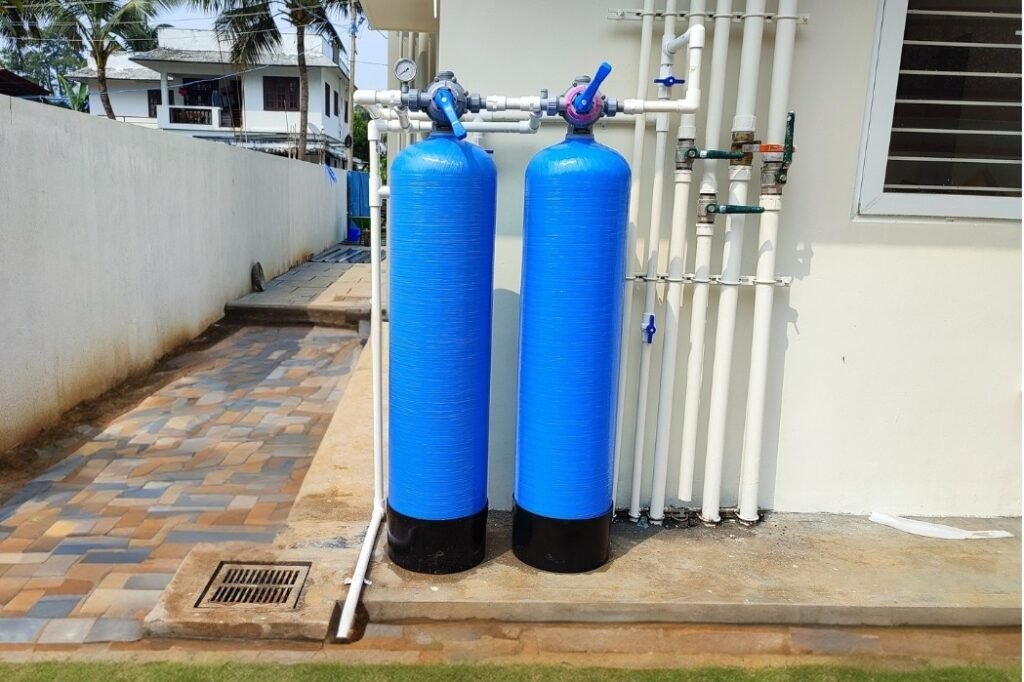
Whole-home water filtration provides a way to treat water before it reaches different areas of the house. These systems can help reduce unwanted particles, improve taste, and create a more consistent water experience.
A whole-home approach is especially useful for families who want better water quality everywhere, not just at a single faucet.
Choosing the Right Treatment Approach
Selecting a water treatment system should be based on actual needs rather than trends. A popular system may not always be the best choice for a specific home.
Several factors should be considered:
- Current water problems
- Water usage habits
- Household size
- Maintenance preferences
- Long-term goals
Professional water testing can make the decision process easier. It identifies what is present in the water and helps determine which technology is most suitable.
A customized approach usually provides better results because it focuses on solving the real issue.
Why Regular Maintenance Matters
A water treatment system is an investment, and like any investment, it requires proper care.
Filters may need replacement, components should be checked, and performance should be monitored regularly. Without maintenance, even a high-quality system may become less effective over time.
Routine servicing helps extend equipment life and ensures the water continues to meet expectations.
Many homeowners benefit from professional maintenance plans because they remove the guesswork and keep systems working properly.
Building a Healthier Home Environment
Better water quality contributes to a more comfortable and enjoyable home. It protects appliances, improves daily routines, and gives families greater confidence in the water they use.
As awareness grows, more homeowners are recognizing that water treatment is not just about fixing problems after they happen. It is about taking a proactive approach to protecting their home and lifestyle.
The right treatment solution depends on understanding your water, choosing suitable technology, and maintaining the system properly.
Clean, reliable water starts with informed decisions. By investing in smart water treatment options, families can create healthier homes and enjoy better water quality for years to come.