
Water has a quiet way of becoming part of everything. It is in the coffee you drink half-awake in the morning, the soup simmering on the stove, the shower after a long day, the laundry running in the background, and the glass you hand to a child without thinking twice. When the water is clean, balanced, and dependable, life feels normal. When it is not, little problems start showing up everywhere.
Maybe the water tastes slightly metallic. Maybe your fixtures collect white marks no matter how often you wipe them. Maybe the dishwasher leaves spots, or the office coffee machine needs descaling again. These issues can seem minor at first, but water problems rarely stay in one place. They move through plumbing, appliances, daily routines, and, sometimes, business operations too.
Good water care is not about guessing. It starts with understanding.
Why Clear Water Can Still Be a Problem
One of the most common mistakes people make is assuming that clear water is automatically fine. In reality, water can look perfectly normal and still contain minerals, sediment, chlorine, iron, hardness, or other elements that affect taste, smell, cleaning, and equipment performance.
Hard water, for example, may not look different in a glass. But over time, it can leave scale inside pipes, water heaters, dishwashers, and commercial equipment. Chlorine may keep municipal water treated, but it can also create an unpleasant taste or odour. Sediment can affect fixtures and filters. Well water can vary even more, depending on the source and location.
This is why water testing & analysis is such an important first step. It gives homeowners and businesses real information instead of forcing them to make decisions based on symptoms alone.
Guesswork Costs More Than People Realise
It is easy to buy a filter online and hope it fixes everything. Sometimes it helps. Sometimes it only treats one part of the problem while the bigger issue keeps moving through the system. A water softener will not solve every taste concern. A drinking water filter will not protect the water heater. A basic sediment filter may not address hardness or odour.
That is where proper guidance matters. Testing helps identify what is actually happening in the water supply, and from there, the right solution becomes much clearer. It saves money, avoids unnecessary equipment, and helps prevent frustration later.
Water treatment is a bit like diagnosing a car noise. You can turn up the radio and pretend it is gone, but the problem is still there. Better to open the hood and find out what is really going on.
Better Water at Home Feels Personal
At home, water affects comfort in small but meaningful ways. Families notice when drinking water tastes better. They notice when shower glass stays cleaner for longer. They notice when laundry feels softer or when soap rinses more easily. Nobody throws a parade for better tap water, but people do quietly appreciate it every single day.
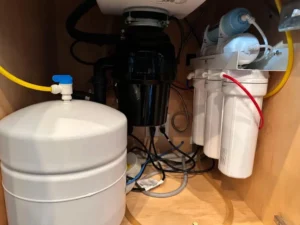
A good home water system should be chosen around the household’s real needs. Some homes mainly need improved drinking water. Others need softening to reduce scale. Some require filtration for taste, odour, sediment, or iron staining. Homes with private wells may need a more detailed approach because the water supply is not managed the same way as city water.
The best residential water solutions are not oversized, overcomplicated, or sold with pressure. They are practical systems that fit the home, the water test results, the family’s usage, and the homeowner’s long-term goals.
Businesses Have Different Water Demands
Commercial properties often rely on water in ways that go beyond comfort. Restaurants need clean-tasting water for food, drinks, ice, and dishwashing. Hotels need consistent water for guest rooms, laundry, kitchens, and maintenance. Offices want better drinking water and reliable systems that do not become a headache. Medical, manufacturing, and industrial environments may have even more specific requirements.
For a business, poor water can affect customer experience, equipment performance, energy use, and operating costs. Scale buildup in commercial appliances can become expensive quickly. Filters that clog too often can interrupt workflow. Bad-tasting water can affect coffee, beverages, and food preparation. In some settings, water quality is tied directly to compliance and operational standards.
That is why commercial water solutions need to be designed with capacity, reliability, maintenance access, and business use in mind. A system that works beautifully for a small family home may not be enough for a busy restaurant or office building.
Installation and Maintenance Matter Too
Choosing the right system is only half the job. Installation matters just as much. If equipment is poorly sized, incorrectly placed, or installed without considering flow rate, pressure, drainage, and service access, performance can suffer from the beginning.
A proper installation should feel organized and thoughtful. The technician should explain what was installed, how it works, what needs to be monitored, and when service is required. Nobody should be left staring at a system in the basement or utility room wondering what to do next.
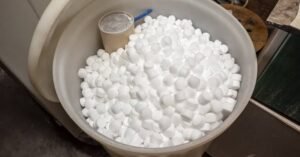
Maintenance is also part of long-term success. Filters need changing. Softeners may need salt. Some systems require routine checks. Ignoring these small steps can bring old problems back and reduce the life of the equipment.
The Real Goal Is Confidence
Better water is not always dramatic. It is usually quieter than that. It is the glass of water that tastes right. The shower that feels cleaner. The dishwasher that performs better. The coffee machine that does not complain every month. The business that runs without water-related interruptions.
Whether for a home or a commercial property, the goal is confidence. Confidence in what is coming from the tap. Confidence that the system fits the problem. Confidence that someone has thought through the details instead of just selling a box and walking away.
Water touches too much of life to be treated casually. When testing, planning, installation, and maintenance all work together, the result is not just better water. It is a smoother, cleaner, more dependable way to live and work.