Most homeowners don’t wake up thinking about the water flowing through their pipes. We expect it to fill the kettle, rinse the dishes, power the washing machine, and disappear down the drain without causing trouble. But water has a quiet way of leaving clues when something isn’t quite right. White marks on faucets, stubborn soap residue, dull-looking laundry, or appliances that don’t seem to last as long—these little annoyances often have one thing in common.
They’re frequently connected to hard water.
It’s such a common household issue that many people simply accept it as normal. Yet understanding what causes it, how it affects your home, and what you can do about it can save money, reduce maintenance, and make everyday routines noticeably more enjoyable.
What Makes Water “Hard”?
Hard water isn’t dirty water, and it doesn’t necessarily mean your water is unsafe to drink.
The term simply refers to water containing elevated levels of naturally occurring minerals, primarily calcium and magnesium. As groundwater moves through rock and soil, it dissolves these minerals before eventually reaching private wells or municipal water systems.
The amount varies from one region to another. Some areas experience only mild mineral content, while others deal with water that’s considerably harder.
Because the change happens gradually, many families don’t even realize they’ve adapted to it over the years.
The Signs Usually Start Small
One of the interesting things about hard water is that it rarely announces itself all at once.
Instead, small inconveniences slowly become part of everyday life. Soap doesn’t lather quite as well. Glass shower doors lose their shine. Faucets develop chalky white residue, and coffee makers need more frequent cleaning.
Many homeowners assume these are simply part of owning a house, but they’re often early signs that mineral levels are affecting both plumbing and appliances.
Paying attention to these subtle clues helps prevent bigger problems down the road.
Why Mineral Deposits Keep Returning
If you’ve ever cleaned your bathroom thoroughly only to see white residue reappear a few days later, you’re certainly not alone.
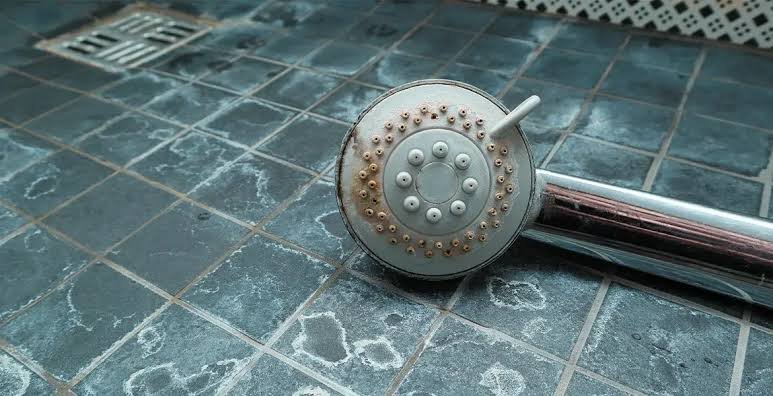
Those stubborn deposits are caused by hard water buildup, which forms when dissolved minerals remain behind after water evaporates. Over time, these deposits accumulate inside pipes, around faucets, on showerheads, inside dishwashers, and even within water heaters.
The buildup doesn’t just affect appearance.
As layers become thicker, appliances may lose efficiency because heating elements and plumbing passages have to work harder through mineral-coated surfaces. That can gradually increase energy use while shortening the lifespan of expensive household equipment.
Your Plumbing Notices It Before You Do
One of the biggest challenges with mineral-rich water is that much of the damage happens where you can’t see it.
Inside plumbing lines, calcium and magnesium slowly collect along pipe walls. Water heaters develop insulating layers around heating components, forcing them to consume more energy to produce the same amount of hot water.
Dishwashers, washing machines, and coffee makers all experience similar wear over time.
Because the process happens gradually, homeowners often blame aging appliances without realizing their water has been quietly contributing to the problem for years.
Hard Water Changes Everyday Routines
Beyond plumbing, hard water influences many ordinary household activities.
Soap reacts with minerals instead of dissolving completely, leaving behind residue that can make skin feel dry and hair seem less manageable after showering.
Laundry sometimes feels stiff even after washing, while dark-colored clothing may lose its brightness faster than expected.
Kitchen tasks are affected too. Glassware develops cloudy spots, kettles accumulate scale, and coffee or tea may taste slightly different because mineral content influences flavor extraction.
None of these issues seem major individually, but together they shape everyday comfort around the home.
When a Water Softener Makes Sense
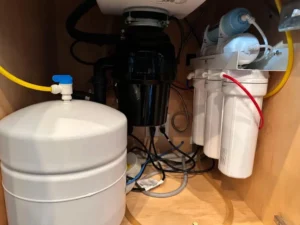
Once testing confirms excessive hardness, installing a water softener often becomes one of the most effective long-term solutions.
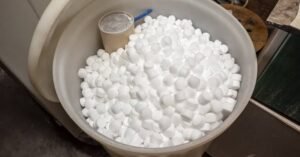
Rather than filtering water in the traditional sense, softeners reduce calcium and magnesium before they circulate throughout the home’s plumbing system.
The difference usually becomes noticeable within weeks.
Soap lathers more easily. Shower doors stay cleaner. Towels feel softer after washing, and mineral stains become much easier to manage. Appliances also benefit because reduced scale allows them to operate more efficiently over time.
Many homeowners say they didn’t realize how much hard water had been affecting their daily routines until it was gone.
Why Testing Should Always Come First
Even though hard water is common, it’s still important to confirm what’s actually happening before investing in treatment equipment.
Professional water testing identifies hardness levels along with other characteristics such as pH balance, iron content, chlorine residuals, and additional minerals that may influence water quality.
Sometimes homeowners discover that hardness isn’t their primary issue at all.
Starting with accurate information prevents unnecessary purchases and helps ensure any treatment system truly addresses the home’s specific needs.
Better Water Brings Long-Term Benefits
Improving water quality isn’t only about cleaner faucets or shinier dishes.
It often reduces maintenance, protects plumbing, improves appliance performance, and creates a more comfortable living environment. Morning showers feel better. Laundry stays softer. Coffee tastes more consistent, and cleaning routines become less frustrating.
Those improvements don’t happen because of one dramatic change. They happen because dozens of small inconveniences quietly disappear.
That’s what makes better water such a worthwhile investment.
A Few Small Changes Can Make a Big Difference
Water touches nearly every part of life, yet it’s easy to forget how much influence it has until something changes.
If you’ve been battling stubborn mineral stains, replacing appliances more often than expected, or wondering why soap never seems to rinse properly, your water could be telling you something important.
Taking the time to understand your home’s water is one of the smartest decisions a homeowner can make. With the right approach, you can reduce maintenance, protect your plumbing, and enjoy water that supports your home instead of slowly working against it.
Sometimes the biggest improvements don’t come from major renovations. They begin with something as simple—and as essential—as the water flowing from your tap every single day.