There are some things we notice immediately, and then there are the little changes that quietly creep into everyday life. Water often falls into the second category. One day your morning coffee tastes a bit different, your ice cubes seem to carry an odd flavor, or your glass of water has a faint odor that wasn’t there a few weeks ago. It’s easy to brush it off. After all, water is supposed to be…well, just water.
But taste and smell aren’t random. They usually have a reason, and your home’s water is no exception.
Whether your home is connected to a municipal supply or relies on a private well, water quality can change over time. Seasonal conditions, treatment methods, aging pipes, and naturally occurring minerals all play a role. Paying attention to those subtle differences can help you identify potential concerns before they become bigger headaches.
Your Senses Are Often the First Warning System
People sometimes assume that if water looks crystal clear, it’s perfectly fine. While appearance certainly matters, our senses often notice problems long before our eyes do.
A strange taste, an unfamiliar odor, or water that suddenly feels different while drinking or cooking can all point toward changes in water quality. These signs don’t automatically mean there’s a serious health issue, but they do suggest it’s worth taking a closer look.
Ignoring these signals is surprisingly common because the changes usually happen gradually. Over weeks or months, families become accustomed to them without realizing how much their water has actually changed.
Why Water Sometimes Smells Like a Swimming Pool
Municipal water treatment facilities work hard to provide safe drinking water. One of the most common disinfectants they use is chlorine, which helps eliminate bacteria and other microorganisms before water reaches homes.
The process is essential for public health, but it can sometimes leave behind a noticeable taste or odor, especially when treatment levels fluctuate or water sits in household plumbing for extended periods.
Some people barely notice it, while others are extremely sensitive to even small amounts. Individual perception varies quite a bit, which explains why one family member might complain while another insists everything tastes normal.
The important thing to remember is that the presence of chlorine doesn’t automatically indicate unsafe water. However, if the taste becomes unusually strong or changes suddenly, it’s worth investigating.
That Familiar Odor Isn’t Always Normal
Many homeowners describe turning on the kitchen faucet and immediately noticing a chlorine smell that reminds them of a public swimming pool.
Although disinfectants naturally have a recognizable scent, an unusually strong odor may affect your overall drinking experience and make everyday activities less enjoyable. Coffee, tea, soups, and even ice cubes can absorb those flavors, subtly changing the taste of meals and beverages.
In some homes, odors become more noticeable after vacations or periods when water has been sitting in pipes. Simply flushing the plumbing may reduce the smell, but if it continues, additional testing or filtration could be worthwhile.
Taste Can Reveal More Than You Think
Water isn’t supposed to have a strong personality.
Most people expect it to be clean, refreshing, and nearly flavorless. When that expectation changes, it’s natural to wonder why.
Different tastes often point toward different causes. Metallic flavors may indicate dissolved minerals or aging plumbing. Earthy tastes can develop from naturally occurring organic materials. Bitter or chemical flavors sometimes relate to treatment processes.
While none of these automatically signal danger, they provide useful clues about what’s happening inside your water system.
Rather than guessing, testing offers clear answers and helps homeowners understand whether treatment is actually necessary.
Your Plumbing Plays a Bigger Role Than You Realize
The water entering your property isn’t always the entire story.
Older plumbing systems can influence taste, odor, and appearance before the water reaches your glass. Corroded pipes, aging fixtures, sediment buildup, or even infrequently used faucets may contribute to noticeable differences.
That’s why two neighboring homes supplied by the same municipal system can have completely different experiences.
Routine plumbing maintenance, combined with periodic water testing, helps separate issues caused by the home’s infrastructure from those originating in the water supply itself.
Water Quality Affects More Than Drinking
Most people think about water quality only when filling a glass, but water touches nearly every part of daily life.
You cook with it. Wash produce. Brew coffee. Make baby formula. Fill pet bowls. Prepare soups and pasta. Even the taste of homemade meals depends, in part, on the quality of the water used.
When families begin noticing bad tasting or contaminated water, everyday routines often become less enjoyable. Some people start buying bottled water, while others avoid drinking enough water altogether simply because they dislike the flavor.
Neither solution addresses the actual cause.
Understanding why the water tastes different allows homeowners to choose practical solutions that improve both convenience and confidence.
Filtration Isn’t One-Size-Fits-All
One of the biggest misconceptions is that every filtration system solves every problem.
In reality, different water concerns require different approaches.
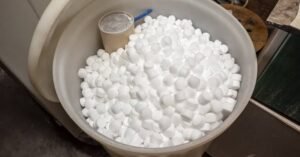
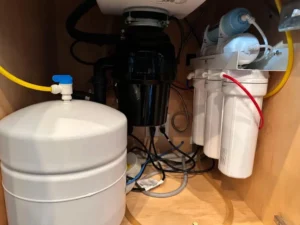
Activated carbon filters often reduce chlorine taste and odor. Reverse osmosis systems remove many dissolved contaminants. Water softeners address hardness but aren’t designed to eliminate every unwanted substance. Whole-house filtration systems target broader household needs.
Choosing equipment without first understanding your water quality can lead to unnecessary expenses and disappointing results.
Testing first almost always makes more sense than purchasing treatment based solely on assumptions.
Small Changes Today Can Prevent Bigger Problems Later
Water quality isn’t something most homeowners think about every day, and that’s understandable. When everything seems to work normally, it’s easy to assume nothing has changed.
Still, paying attention to unusual tastes, odors, or other subtle differences can help identify developing issues before they affect plumbing, appliances, or daily comfort.
Regular water evaluations provide peace of mind, whether they confirm everything is working as expected or reveal opportunities for improvement.
Clean Water Should Feel Effortless
At its best, water fades into the background of everyday life. You don’t think about filling your coffee pot, pouring a glass for dinner, or making tea in the evening. It simply works.
When taste or odor suddenly becomes noticeable, it’s your home’s way of encouraging a closer look. Sometimes the explanation is simple. Other times, it reveals changes worth addressing.
Either way, understanding your water is always better than guessing. With the right information and, when needed, the right treatment, you can enjoy water that tastes cleaner, smells fresher, and supports a healthier, more comfortable home for years to come.