Most homeowners don’t think about water quality every day. It’s one of those things we trust without much discussion. Turn the tap, fill the glass, run the washing machine, take a shower. Simple enough, right? But water has a quiet way of leaving clues when something isn’t quite right.
Maybe your faucets keep getting chalky buildup. Maybe the water tastes a little flat, metallic, or like chlorine. Maybe your skin feels dry after every shower, even when you switch soaps. These small things are easy to ignore at first, but over time they start to feel less like random annoyances and more like signs your home’s water deserves a closer look.
Why Guessing Isn’t Good Enough
Water problems can be tricky because they don’t always look dramatic. Some issues are visible, like cloudy water, rust-colored stains, or white spots on dishes. Others are less obvious. Minerals, chlorine, sediment, acidity, and other concerns can affect taste, plumbing, appliances, and daily comfort without making a big scene.
That’s where proper testing matters. A homeowner may assume they have hard water because of spots on glassware, but there could also be iron, manganese, or another issue involved. Someone else may blame a bad smell on old pipes when the source is actually water chemistry. Without testing, it’s mostly guesswork — and guesswork can lead to buying the wrong equipment.
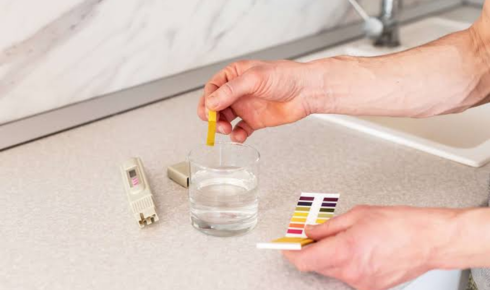
The Practical Value of Testing at Home
A good first step is often in-home water testing, especially when a homeowner wants fast, practical answers. This type of testing can help identify common concerns right where the water is being used. It also gives the technician a chance to see the home’s plumbing setup, ask about symptoms, and understand what the family is experiencing day to day.
That part matters more than people think. Water isn’t just a lab sample. It’s connected to how the home actually functions. Is the water coming from a city supply or a private well? Are stains showing up in bathrooms or laundry? Does the smell happen only with hot water? These details help paint a clearer picture.
What Homeowners Usually Notice First
Hard water is one of the most common complaints. It can leave scale on fixtures, make soap harder to rinse, and shorten the life of water-using appliances. Then there’s chlorine taste, which many city-water homes deal with. Sediment can show up as gritty particles or cloudy water. Iron may leave orange stains. Acidic water might contribute to blue-green staining or pipe concerns.
None of these signs should cause panic, but they shouldn’t be brushed off forever either. Water touches nearly every part of the home, from the morning coffee pot to the water heater sitting quietly in the garage or basement. When quality improves, homeowners often notice the difference in small but satisfying ways.
Why Free Testing Can Be a Helpful Starting Point
For families who are not sure whether they need a system at all, complimentary water testing can make the decision easier. It removes that first hesitation. Instead of spending money before understanding the issue, homeowners can get a clearer idea of what may be happening and whether treatment is truly worth considering.
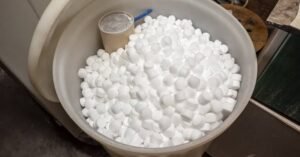
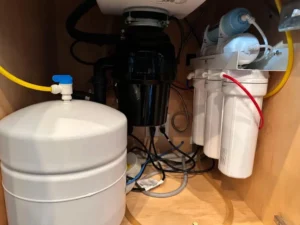
It also helps avoid overselling. Not every home needs the same solution. Some may benefit from a water softener. Others may need filtration for taste and odor. A private well may require a more detailed approach. A good water professional should explain the results clearly, not pressure someone into equipment they don’t understand.
When More Detailed Testing Makes Sense
Basic testing can answer many everyday questions, but sometimes deeper investigation is needed. That’s especially true for private wells, unusual odors, recurring stains, or health-related concerns. In those situations, lab analysis can provide a more detailed view of what’s in the water and whether specific contaminants are present.
Lab results can be especially helpful when dealing with bacteria, nitrates, arsenic, lead, or other contaminants that may not be obvious by taste or appearance. It’s not about scaring homeowners. It’s about getting reliable information before choosing a treatment path.
Turning Results Into the Right Solution
Testing is only useful if it leads to smart decisions. After results are reviewed, the next step is matching the solution to the actual problem. A softener won’t fix every taste issue. A simple filter may not handle severe hardness. A whole-home system might be useful in one house and unnecessary in another.
The right setup should fit the water, the home, and the family’s habits. It should also be installed correctly, maintained realistically, and explained in plain language. Homeowners shouldn’t feel like they need a chemistry degree just to understand their tap water.
A Small Step That Can Change Daily Life
Better water is not always something people brag about, but they definitely notice it. Showers feel cleaner. Appliances work with less strain. Dishes look better. Drinking water becomes more enjoyable. Even cleaning can feel a little less frustrating.
If your water has been leaving stains, smells, spots, or doubts behind, testing is a sensible place to start. It’s simple, informative, and often surprisingly reassuring. Because once you know what’s in your water, you can stop guessing — and start making choices that actually make sense for your home.