Most homeowners know when something feels off with their water. Maybe it tastes a little strange. Maybe the shower leaves skin feeling dry. Maybe there are white marks around the faucet, orange stains in the sink, or a smell that makes everyone in the house pause before filling a glass. The problem is, water issues are not always easy to understand by sight alone.
Clear water can still carry minerals, chlorine, sediment, iron, or other things that affect taste, comfort, plumbing, and appliances. That is why starting with a water quality check is often the smartest first step. It takes the guesswork out of the process and helps homeowners understand what is actually happening inside their water supply.
Why Guessing About Water Problems Usually Fails
Water problems can look similar but come from very different causes. Cloudy glasses might be caused by hard water. A metallic taste could come from pipes, minerals, or source water conditions. A rotten-egg smell may point toward sulfur. Brown or orange stains often suggest iron, but the level and treatment approach can vary.
When people guess, they often buy the wrong product. A pitcher filter might improve taste a little but do nothing for hard water. A softener might reduce scale but not fix odor. A basic cartridge filter may catch sediment but fail to solve staining.
That is why testing matters. It gives the situation a name, and once the problem has a name, the solution becomes much clearer.
The Everyday Signs Your Water Needs Attention
Water issues usually show up in small daily annoyances before they become bigger concerns. Soap may not lather properly. Clothes may feel stiff after washing. Hair can feel dull or heavy after a shower. Dishes may come out with spots. Coffee may taste flat or bitter even when the beans are good.
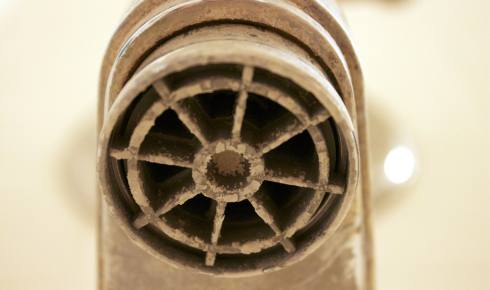
Sometimes there are visible signs too. White scale on faucets. Rusty stains in toilets. Particles in the water. A smell from the tap that seems worse at certain times of day. These signs are not just cosmetic. Over time, they can point to issues that affect appliances, plumbing fixtures, and general home comfort.
Ignoring them usually does not make them disappear.
What an Instant Check Can Reveal
Many homeowners like the idea of an instant water quality check because it gives quick insight without turning the process into a big project. While more detailed lab testing may be needed for certain concerns, an instant check can often show common indicators such as hardness, chlorine, total dissolved solids, pH, or other basic conditions.
That first look can be surprisingly useful. It helps separate simple taste concerns from deeper treatment needs. It also gives homeowners a better conversation with a water treatment professional. Instead of saying, “My water seems weird,” they can understand whether hardness, chlorine, minerals, or sediment may be part of the issue.
Small information can save a lot of wasted money.
City Water and Well Water Have Different Concerns
Homes connected to city water often deal with chlorine taste, odor, hard minerals, and sometimes sediment from aging pipes or local distribution systems. The water may meet safety standards but still feel unpleasant for drinking, bathing, or cleaning.
Well water is different. Since private wells are not managed the same way as city systems, homeowners may need to watch for iron, sulfur smell, hardness, sediment, bacteria, and other naturally occurring issues. Conditions can also change with weather, depth, plumbing age, and nearby land use.
Neither source is automatically perfect. Both benefit from proper testing and the right treatment approach.
Choosing the Right System After Testing
Once the water has been checked, choosing a system becomes more practical. If the main issue is hardness, a softener may help. If taste and odor are the concern, filtration may be useful. If drinking water quality is the priority, a dedicated drinking water system could make sense. If several problems are present, a combination setup may be needed.
The important thing is to avoid buying based only on advertising. Not every home needs the same equipment. A good solution should match the actual water conditions, household size, water usage, plumbing setup, and maintenance expectations.
Water treatment works best when it is built around real information.
How Better Water Helps the Whole Home
Better water is not just about taste. It can make daily routines easier and more comfortable. Showers may feel fresher. Laundry may come out softer. Dishes may look clearer. Appliances may face less mineral buildup. Faucets and fixtures may stay cleaner for longer.
There is also peace of mind in knowing what is in the water. Many people spend years buying bottled water, scrubbing stains, or replacing clogged showerheads without ever checking the source of the problem. Once they understand it, they can make a better choice.
A small test can lead to a much bigger improvement in everyday living.
Getting Help Without Pressure
A reliable water treatment company should explain results in plain language. Homeowners should feel comfortable asking what was tested, what the results mean, and which problems actually need attention. The answer should not always be “buy the biggest system.” Sometimes the right solution is simple. Other times, a more complete setup is needed.
Asking for a free estimate can help homeowners understand possible costs before making a decision. It also gives them a chance to compare options, maintenance needs, warranties, and installation details.
The best experience is honest, practical, and focused on solving the real issue.
A Practical First Step Toward Better Water
Water quality affects more of the home than most people realise. It changes how drinks taste, how laundry feels, how showers feel, how appliances perform, and how much effort it takes to keep things clean. When something seems wrong, guessing usually leads to frustration.
A simple check gives homeowners clarity. It turns vague concerns into useful information and helps guide the next step with confidence. Whether the issue is taste, stains, odor, hardness, or sediment, understanding the water is the beginning of fixing it.
And once the right solution is in place, better water quietly becomes part of daily life — one glass, one shower, and one load of laundry at a time.