Water Problems That Sneak Up on You
Most household issues announce themselves loudly. A leaking roof leaves stains on the ceiling. A broken appliance simply stops working. Water quality issues, however, tend to be much quieter. They creep in gradually, often becoming part of everyday life before anyone realizes they’re causing trouble.
You notice spots on clean dishes. Towels feel a little rough after washing. The shower door never seems completely clean no matter how much scrubbing you do. Individually, these things don’t seem like major concerns. Together, though, they can point toward a common culprit that affects millions of homes.
The reality is that water isn’t exactly the same everywhere. Its mineral content, source, and treatment process can vary dramatically depending on where you live. Those differences may seem small, but over time they can have a surprisingly noticeable impact on household comfort, maintenance, and expenses.
What Makes Water “Hard”?
When people talk about hard water, they’re referring to water that contains elevated levels of dissolved minerals, primarily calcium and magnesium. These minerals occur naturally as water travels through soil, rock formations, and underground aquifers.
In many ways, hard water isn’t unusual at all. In fact, it’s incredibly common across large parts of the world. The minerals themselves aren’t generally considered harmful to human health. The challenge comes from how they interact with plumbing systems, cleaning products, and household surfaces.
Think of it like adding a little extra ingredient to every gallon of water entering your home. At first, the difference seems insignificant. Over months and years, however, those minerals begin leaving their mark.
The Clues Many Homeowners Miss
One reason hard water often goes unnoticed is because its effects develop slowly. There isn’t usually a dramatic moment when someone suddenly realizes they have a problem.
Instead, subtle clues begin appearing throughout the house.
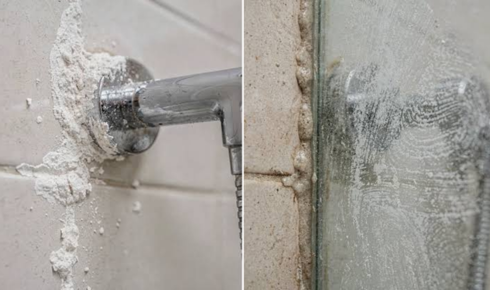
Glassware may emerge from the dishwasher with faint spots. Faucets develop chalky residue. White marks appear around sinks and showerheads. Some people notice their laundry feels stiff even after using fabric softener.
Then there are the less obvious signs. Water heaters may become less efficient. Appliances that use water can experience additional wear. Plumbing fixtures sometimes require more frequent maintenance than expected.
Because these issues appear gradually, many homeowners simply assume they’re a normal part of homeownership.
Why Mineral Deposits Become a Bigger Issue Over Time
One of the most significant concerns associated with mineral-rich water is scale buildup. This occurs when dissolved minerals are left behind as water evaporates or moves through plumbing systems.
At first, the deposits may seem cosmetic. You might notice a thin white layer around faucets or shower fixtures. It doesn’t look great, but it doesn’t appear serious either.
The problem is that scale doesn’t limit itself to visible surfaces.
Mineral deposits can accumulate inside pipes, water heaters, dishwashers, washing machines, and other appliances. As deposits grow, water flow may become restricted, efficiency can decline, and equipment may work harder than intended.
It’s a bit like cholesterol building up in arteries. The process is gradual, often unnoticed, and potentially expensive if ignored for too long.
The Daily Frustration of Cleaning
Ask homeowners dealing with mineral-rich water what annoys them most, and cleaning often tops the list.
Bathrooms, in particular, become a constant battle. Shower doors lose their shine. Fixtures require repeated scrubbing. Mirrors and glass surfaces seem impossible to keep spotless.
The issue stems from how minerals interact with cleaning products. Soap doesn’t always dissolve and rinse away as efficiently as it should.
This often results in stubborn soap scum that clings to tubs, shower walls, sinks, and other surfaces. Anyone who has spent an afternoon scrubbing a bathroom only to see residue return a few days later knows exactly how frustrating that can be.
It’s not necessarily a major crisis, but it’s certainly an ongoing inconvenience.
Hard Water and Household Costs
What makes hard water particularly interesting is that many of its costs remain hidden.
Most homeowners don’t receive a bill labeled “mineral-related expenses.” Instead, the costs appear indirectly over time.
Water heaters may consume more energy. Appliances may require repairs sooner than expected. Plumbing fixtures might need replacement earlier in their lifespan. Cleaning products often get used more frequently because they aren’t performing as efficiently.
None of these expenses seem dramatic on their own. Combined over several years, however, they can add up to a meaningful amount.
This is one reason many homeowners eventually explore ways to manage mineral content more effectively.
Understanding Your Home’s Water
One of the smartest steps homeowners can take is simply learning more about their water.
It’s surprisingly common for people to know very little about the characteristics of the water entering their homes. They know it flows when they turn on the tap, and that’s about it.
Water testing can provide valuable information about mineral levels and other factors that may influence household performance. Rather than relying on assumptions, testing creates a clearer picture of what’s actually happening.
That information allows homeowners to make informed decisions based on facts rather than guesswork.
And honestly, informed decisions tend to be better decisions.
Practical Ways to Reduce the Impact
Managing hard water doesn’t necessarily require a complete overhaul of a home’s plumbing system.
For some households, routine maintenance and regular cleaning may be sufficient. Others may benefit from water treatment options designed to reduce mineral-related challenges.
The most effective approach depends on the severity of the issue and the specific goals of the homeowner.
What’s important is understanding that every home is different. A solution that works perfectly in one property may not be ideal for another. Taking the time to evaluate actual needs usually produces better results than rushing into expensive upgrades.
Sometimes simple adjustments provide noticeable improvements.
A Better Long-Term Perspective
Water is easy to overlook because it’s such a constant presence in daily life. We use it dozens of times each day without giving it much thought.
Yet the quality and composition of that water influence countless aspects of homeownership—from cleaning routines and appliance performance to maintenance costs and overall comfort.
Hard water isn’t necessarily a disaster waiting to happen. For many households, it’s simply a manageable condition that requires awareness and occasional attention.
Still, understanding its effects can help homeowners avoid unnecessary frustration and make smarter decisions about maintaining their property.
In the end, the goal isn’t perfect water. It’s creating a home environment that works efficiently, feels comfortable, and supports everyday life with fewer surprises. And sometimes, that starts with paying a little more attention to what’s flowing from the tap.