You notice it first around the tap. A faint ring, maybe a streak down the side of the basin, something that looks almost pretty if it weren’t so annoying. Then it shows up in the tub, on the shower wall, near the drain, maybe even around the base of a toilet. Those blue green stains are easy to dismiss as just another bathroom cleaning headache, but they’re often a sign that your water is telling you something important.
Most homeowners have dealt with rust marks, chalky white buildup, or cloudy glassware at some point. Blue-green staining, though, feels a little different. It’s not as common, and it can be stubborn. You scrub it, it fades, and then, a few weeks later, it quietly comes back. That’s usually because the stain is only the symptom. The real issue is happening inside the plumbing or within the water itself.
What Causes That Blue-Green Colour?
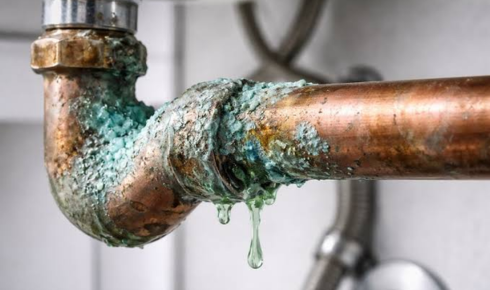
The colour usually comes from copper. Not always, but very often. When copper slowly dissolves into water, it can leave behind a blue, green, or turquoise-looking residue on fixtures, sinks, tubs, and laundry. It’s a bit like how an old copper roof or statue changes colour over time when exposed to weather.
In a home, this can happen when water is naturally aggressive or corrosive. Instead of simply passing through the plumbing, the water reacts with the metal. Over time, small amounts of copper can leach out and travel through the taps. Once the water evaporates on a surface, the mineral residue remains.
That does not mean you should panic the moment you see a stain. But it does mean you should pay attention. Staining is often one of the first visible clues that something is off.
Why Plumbing Materials Matter
Many homes still rely on copper pipes, and for good reason. Copper has been used for decades because it’s durable, handles heat well, and can last a long time when water conditions are balanced. The problem starts when the water chemistry is not friendly to the pipe material.
Low pH, high dissolved oxygen, certain minerals, or improper electrical grounding can all contribute to corrosion. Sometimes the issue is worse in newer plumbing because protective mineral layers have not had time to form inside the pipe. In older homes, corrosion may happen after years of slow wear.
You might also notice other signs. Water may have a metallic taste. Fixtures may develop pinhole leaks. White clothing can sometimes pick up a bluish tint in the wash. These little details are worth noting because they help a water professional understand what’s really going on.
The Role of Water pH
One of the most common reasons behind copper-related staining is acidic water Water with a low pH can be more corrosive, meaning it can slowly eat away at metal surfaces inside your plumbing system. This does not happen overnight, which is why many people miss it until the stains become obvious.
A slightly low pH may not seem dramatic on paper, but in daily use, it can quietly affect pipes, fixtures, appliances, and even the taste of water. The tricky thing is that water can look perfectly clear while still being chemically unbalanced. That’s why guessing based on appearance alone rarely works.
Testing is the sensible first step. A proper water test can check pH, hardness, copper levels, iron, manganese, total dissolved solids, and other factors. Once you know what is in the water, the solution becomes much clearer.
Cleaning Helps, But It Won’t Fix the Source
There are plenty of ways to clean the stains themselves. Mild acidic cleaners, vinegar-based solutions, or products made for mineral stains can help remove residue from sinks and tubs. Gentle scrubbing is usually better than harsh scraping, especially on delicate finishes.
But cleaning only handles the surface. If the water continues to corrode plumbing, the stains will return. It’s like wiping water off the floor without fixing the leak. Looks better for a while, sure, but the problem is still sitting there, waiting.
Homeowners sometimes spend months switching cleaning products when the real answer is water treatment. That’s frustrating, and honestly, a bit expensive over time.
Practical Treatment Options
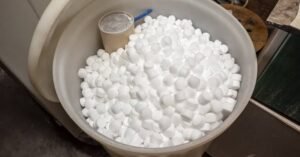
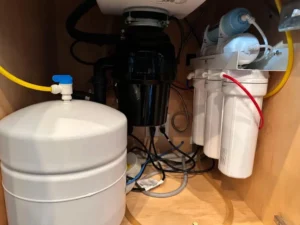
The right solution depends on the water test results. If low pH is the main issue, an acid neutralizer may be recommended. These systems usually use mineral media to raise the pH to a safer, more balanced range. In some homes, a chemical feed system may be used instead, especially when water conditions are more complex.
If copper levels are already elevated, additional filtration may be needed. If corrosion has damaged plumbing, some repairs might be necessary too. A good technician won’t just sell a one-size-fits-all system. They’ll look at the home, the plumbing age, water source, and test results before suggesting anything.
For private well owners, regular testing is especially important. Well water can change with seasons, rainfall, nearby construction, or shifts underground. City water users are not completely off the hook either, because water can still react with household plumbing after it enters the home.
Why You Shouldn’t Ignore It
Blue-green staining might seem cosmetic at first, but it can point toward a bigger maintenance issue. Pipe corrosion can lead to leaks, fixture damage, and poor water quality. The longer it goes unchecked, the more expensive it may become.
And there’s the comfort factor too. Nobody wants to keep explaining strange stains in the bathroom or wondering why the water tastes odd. A home should feel clean, safe, and easy to live in. Water issues chip away at that in small, irritating ways.
The good news is that this is usually fixable. With proper testing and the right treatment, many homeowners can reduce staining, protect plumbing, and improve everyday water use. You don’t need to become a water chemistry expert. You just need to stop treating the stain as the whole story.
A Small Stain Can Be a Useful Warning
Sometimes the smallest household problems are the ones worth listening to. A little colour around the faucet. A ring in the tub. A mark that keeps returning no matter how much you clean. These are clues.
Instead of scrubbing harder each month, take a step back and ask why the stain is there in the first place. Your water may simply need balancing, filtration, or a closer look from someone who understands what those colours mean.
Clean fixtures are nice. Protected plumbing is better. And water that behaves the way it should? That’s the kind of home improvement you actually feel every day.