
Better lighting can make a site safer. Improved drainage can prevent standing water and damage. Stronger access routes can help deliveries run smoothly. Modern electrical systems can support new equipment. Clearer walkways, safer surfaces, upgraded signage, and better security can all change how a property feels and functions.
Well-planned site upgrades are not just cosmetic. They can improve safety, efficiency, compliance, and long-term value. They can also make a place easier for staff, customers, tenants, and visitors to use every day.
That kind of improvement may not always look dramatic in photos, but it matters in real life.
Communication Keeps the Project GroundedThe Work Before the Work Is What Makes a Project Succeed
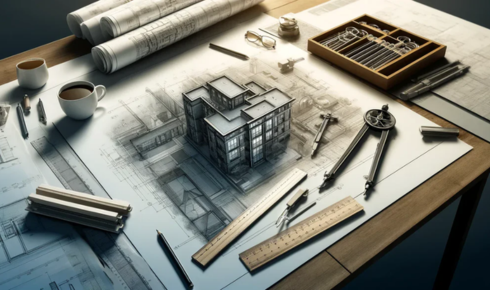
Every successful property project has a stage that most people never really see. It happens before the first machine arrives, before the walls come down, before the new lighting is installed, before anyone stands around with a coffee wondering why the delivery is late. It is the quiet stage. The careful stage. And honestly, it is often the part that decides whether everything else goes smoothly or turns into a mess.
Whether someone is improving a commercial site, preparing land for development, upgrading an older building, or making a property safer and more practical, the finished result depends heavily on what happens at the beginning. Good work does not just happen because people turn up with tools. It happens because the right questions were asked early.
Starting With a Clear Direction
A project without a clear direction can drift very quickly. One person assumes the access road will stay where it is. Another thinks new utilities are included. Someone else forgets about drainage, parking, loading areas, or future expansion. These details may sound small at first, but they can create delays, extra costs, and more than a few uncomfortable conversations.
That is why planning should never be treated as boring paperwork. It is where the project starts to become real. It gives owners, contractors, consultants, and trades a shared understanding of what needs to happen, when it needs to happen, and what problems might be waiting around the corner.
Good planning also helps people make better decisions. Not rushed decisions. Not “we’ll figure it out later” decisions. The kind that protect the budget and keep the project moving.
Looking at the Site as It Really Is
Every site has its own personality. Some are open and straightforward. Others are awkward, tight, sloped, restricted, or full of old services nobody thought about for years. A building may look simple from the outside but hide outdated wiring, poor access, weak drainage, or layout issues that only become obvious once work begins.
This is where proper assessment matters. A walk-through, survey, or technical review can reveal things that are easy to miss. Where will vehicles enter? Is there enough space for equipment? Are there existing underground utilities? Will neighbouring properties be affected? Are there safety risks for workers or visitors?
The answers shape the whole project. They help avoid guesswork, which is useful, because guesswork tends to become expensive.
Getting Approvals Right
Nobody loves delays caused by missing forms, unclear drawings, or unexpected objections. Still, approvals are a normal part of many property and development projects. They exist to make sure work is safe, lawful, and suitable for the site and surrounding area.
Handled well, permitting does not have to feel like a wall blocking progress. It can be managed as part of the process, with the right documents, timelines, inspections, and communication in place from the start.
The problem usually comes when approvals are treated as an afterthought. A team starts too soon, assumes something is allowed, or forgets that certain changes need sign-off. Then everything has to pause. Materials sit unused. Contractors reschedule. Costs creep upward.
It is much better to understand the requirements early, even if they seem minor. A little patience at this stage can prevent a lot of frustration later.
Building for Today and Tomorrow
A good project should solve today’s problem, but the best projects also think ahead. A business may only need a small expansion now, but what happens in three years? Will more power be needed? More parking? Better lighting? Improved access? Stronger drainage? Space for new equipment?
Future-ready work is not about spending money carelessly. It is about making sensible choices while access is available and work is already underway. Sometimes it is cheaper to install extra capacity now than to tear everything up again later.
This forward thinking is especially useful for commercial properties, warehouses, retail units, schools, healthcare spaces, and industrial sites where daily operations depend on practical infrastructure. A site that cannot adapt can quickly become a limitation.
Improvements That Make a Real Difference
Not every project needs to be huge to be valuable. Sometimes the most useful improvements are the ones people barely notice once they are finished because everything simply works better.
Even with strong preparation, projects can shift. Weather changes. Materials get delayed. Hidden issues appear. A tenant asks for adjustments. A contractor spots something that needs attention. This is normal.
What matters is how the team communicates. Clear updates, honest advice, and practical problem-solving can keep everyone calm and focused. Silence does the opposite. When people do not know what is happening, small issues start to feel bigger than they are.
Good project teams do not just complete tasks. They guide the process. They explain what is possible, what is risky, and what needs a decision before work can continue.
The Value of Doing Things Properly
There is always temptation to rush. To skip a check. To assume the old system is fine. To choose the cheapest route and hope nothing goes wrong. Sometimes it works for a while. But shortcuts have a habit of showing up later, usually when they are most inconvenient.
Doing things properly may take more thought at the beginning, but it creates better results. Safer sites. Fewer surprises. Stronger performance. Longer-lasting value.
And that is the real point. A well-managed project is not just about finishing the work. It is about creating a space that functions well after everyone has packed up and left.
The best results often come from the least glamorous parts of the job: careful preparation, clear approvals, honest inspections, and steady communication. It may not be flashy, but it is what keeps everything standing, working, and ready for whatever comes next.